Compare Local Contractors for Reverse Osmosis System Installation
Compare local contractors for reverse osmosis installation to define project scope, verify experience, and set clear expectations in writing for a successful outcome.
Reverse osmosis installation services typically involve setting up a system that filters water through a semi-permeable membrane to remove contaminants and impurities. This process often includes evaluating the existing plumbing, selecting appropriate equipment, and properly installing the filtration units to ensure optimal performance. Contractors may also handle related tasks such as connecting water lines, installing storage tanks, and testing the system to verify that it functions correctly and meets the property owner’s water quality needs.
Clearly defining the scope of work is essential when planning for reverse osmosis system installation. Property owners should determine which parts of the water supply system need modification or connection, specify any additional components like pre-filters or post-filters, and outline expectations for system testing and verification. Having a detailed scope helps prevent misunderstandings, ensures all necessary tasks are covered, and provides a basis for comparing bids or proposals from different service providers.
When evaluating local contractors for reverse osmosis installation, property owners should consider experience with similar systems and projects. It’s helpful to verify that contractors understand the specific requirements of the installation, such as plumbing configurations and system sizing. Comparing credentials, reviewing references, and requesting written descriptions of the proposed scope of work can aid in assessing each service provider’s capabilities. Establishing clear expectations and ensuring the scope is well-documented can contribute to a smoother installation process and a system that meets the property owner’s water quality goals.
Compare local contractors by outlining your priorities, verifying experience, and setting clear scope and expectations in writing.
- Verify Experience and Credentials - Ensure contractors have relevant experience in reverse osmosis system installation.
- Define Project Scope Clearly - Clearly outline the work to be done and expectations in writing before starting.
- Compare Local Contractors - Evaluate multiple service providers based on expertise and service offerings.
- Request Written Agreements - Confirm all project details, responsibilities, and expectations are documented.
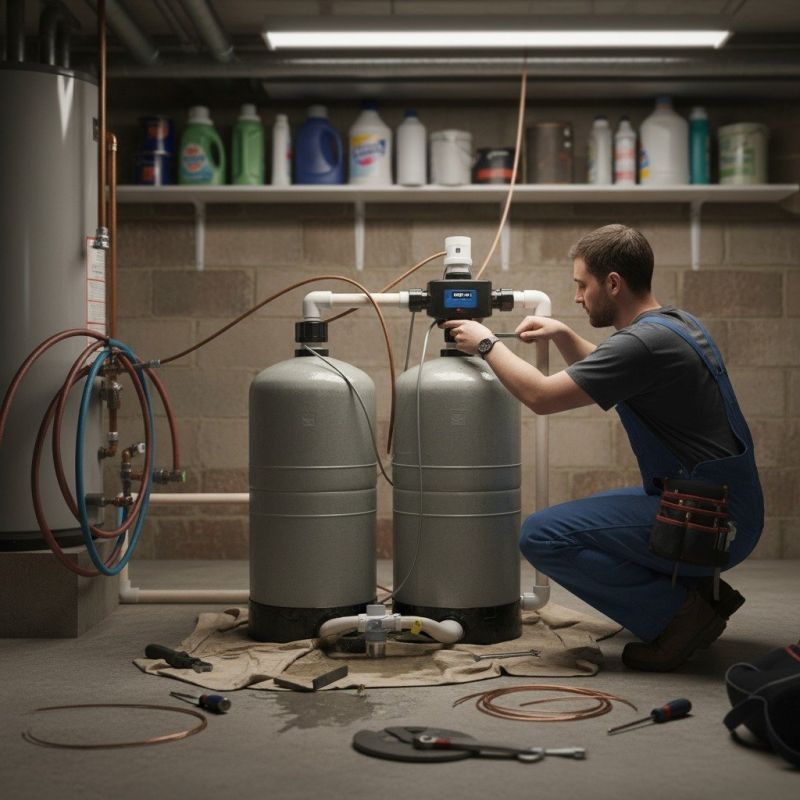
Before comparing contractors, clearly describe your reverse osmosis project, scope, and expectations to ensure informed decisions.
- Verify experience and expertise in reverse osmosis system installation. - Ensure contractors have a proven track record with similar water treatment projects.
- Define the scope of work clearly in writing before beginning the project. - Clarify responsibilities, system components, and installation procedures to prevent misunderstandings.
- Check references or reviews to assess the quality of previous reverse osmosis installations. - Gather feedback from past clients to gauge reliability and workmanship.
- Confirm that the contractor understands local plumbing codes and regulations related to water treatment systems. - Proper adherence ensures compliance and reduces potential issues.
- Discuss system specifications and installation details to ensure the setup meets water quality needs. - Clear communication helps align expectations and system performance.
- Request a detailed written agreement outlining the scope, responsibilities, and project expectations. - A comprehensive contract helps protect both parties and ensures clarity throughout the project.
Compare local contractors, verify experience, and clearly define project scope to set proper expectations.
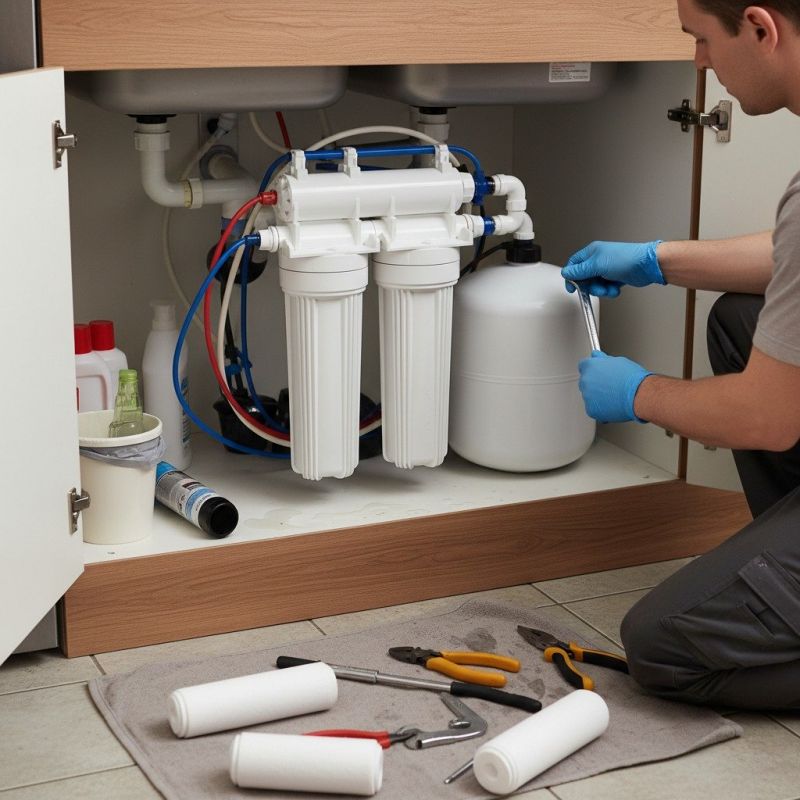
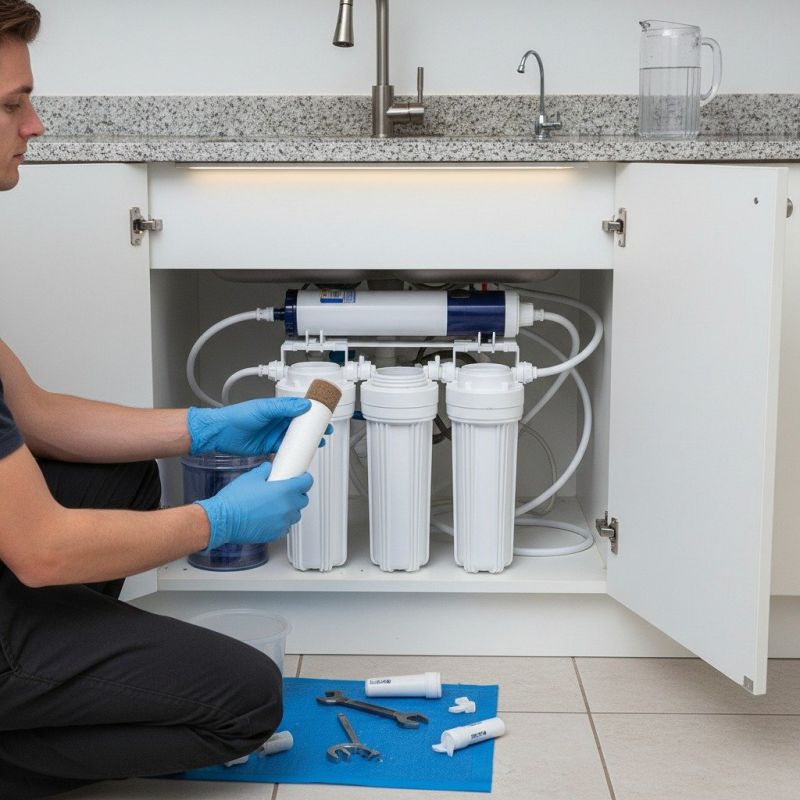
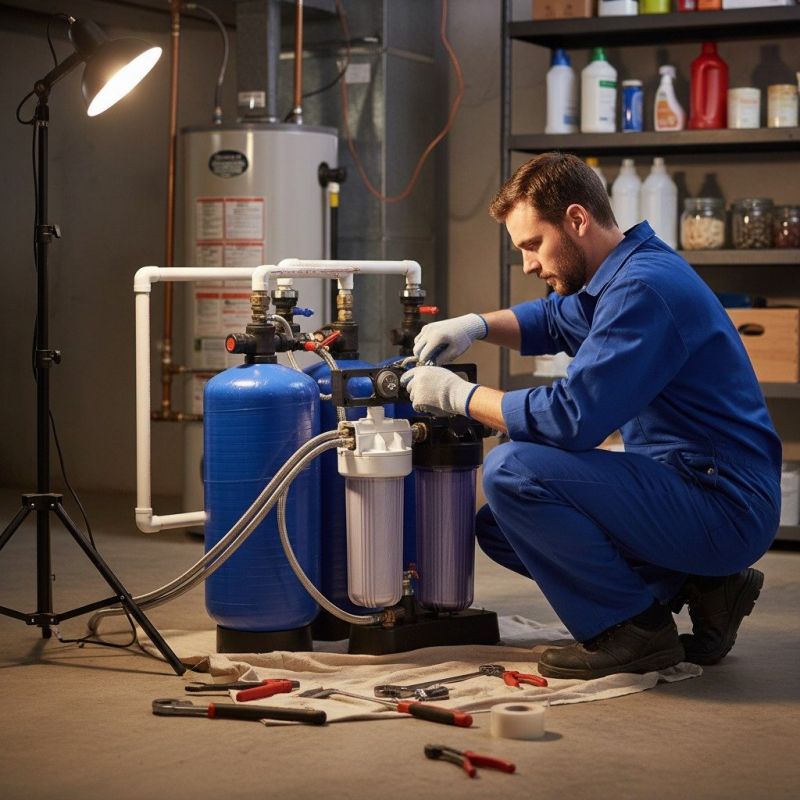
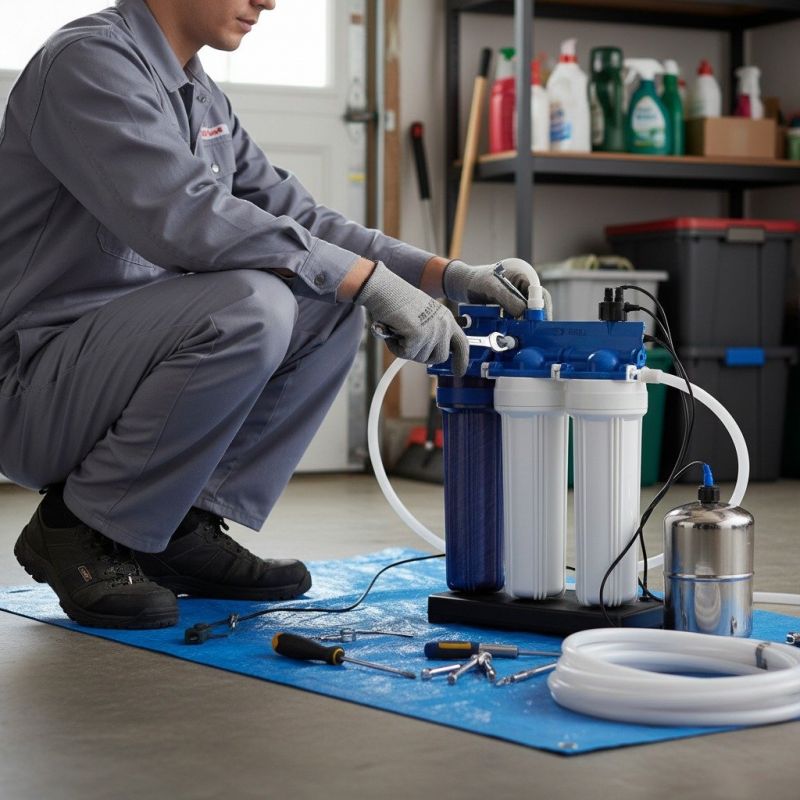
Use clear, consistent scope definitions to compare local contractors’ experience and set expectations in writing.
- Scope Definition - Clearly outline the specific tasks and responsibilities involved in the reverse osmosis system installation.
- Material Specifications - Identify the required components, filters, membranes, and fittings to ensure compatibility and quality.
- Installation Site - Determine the location and access points for the system to facilitate proper setup and maintenance.
- Experience Verification - Confirm that local contractors have relevant experience with reverse osmosis installations and similar projects.
- Written Agreement - Establish a detailed scope and expectations in writing to prevent misunderstandings during the project.
When comparing contractors for reverse osmosis installation, it is important to assess their experience with similar projects. Service providers with a history of installing reverse osmosis systems in residential settings are more likely to understand the specific requirements and potential challenges involved. Inquire about the types of systems they have installed and the complexity of past projects to gauge their familiarity with different configurations and water conditions. A contractor’s demonstrated experience can provide confidence that they are capable of handling the nuances of your specific installation needs.
A clear, written scope of work is essential when evaluating potential contractors. This document should outline the specific tasks involved in the installation, including any assessments, system setup, and testing procedures. A detailed scope helps ensure that both parties have aligned expectations and that there are no misunderstandings about what the project entails. When reviewing proposals or estimates, look for comprehensive descriptions that specify the work to be performed, materials to be used, and any necessary site preparations or modifications.
Verification basics involve confirming that a contractor’s experience aligns with your project’s requirements and that their proposed scope of work is thorough. It’s helpful to ask for references or examples of completed projects similar to yours. Additionally, requesting a detailed written plan allows for easier comparison between service providers. Pay attention to how well the scope addresses potential challenges, such as water quality issues or space constraints, and whether the contractor’s approach appears methodical and well-informed.
Evaluating options without focusing on prices involves examining the quality of communication, the clarity of the scope, and the contractor’s level of professionalism. Consider how well each service provider explains their process and whether they are transparent about what is included. Comparing the details of their scope of work, experience, and approach can reveal which contractors are thorough and reliable. Making an informed decision based on these factors helps ensure that the chosen service provider is capable of delivering a successful reverse osmosis installation tailored to the specific needs of the home.
Ask contractors to provide written scope details to ensure clear understanding and consistent project expectations.
- Experience and Credentials - How can I verify the experience and background of local contractors specializing in reverse osmosis installation?
- Scope of Work - What details should be included to clearly define the scope of the reverse osmosis installation project?
- Comparison Criteria - What factors should I consider when comparing different local service providers for this service?
- Work Guarantees and Warranties - How can I ensure that the scope and expectations are documented in writing to prevent misunderstandings?
- Specialization and Services Offered - Do the contractors offer specific services or expertise related to reverse osmosis systems that are relevant to my needs?
What should I consider when choosing a contractor for reverse osmosis installation? It's important to compare local service providers based on their experience, reputation, and the scope of services they offer to ensure the installation meets your needs.
How can I verify a contractor's experience with reverse osmosis systems? You can review their past work, ask for references, or check for any relevant credentials that demonstrate their familiarity with installing and servicing reverse osmosis units.
What questions should I ask a potential contractor before hiring? Inquire about their experience with similar systems, the scope of work included, and how they handle unexpected issues during installation to set clear expectations.
Why is it important to define the scope of work in writing? Having a detailed written scope helps prevent misunderstandings, clarifies responsibilities, and ensures that both parties agree on the project's specifics before work begins.
How can I compare different contractors effectively? Review their experience, scope of services, reputation, and references to determine which service provider aligns best with your project requirements.
What role does communication play in the installation process? Clear communication helps ensure that the scope, expectations, and any concerns are addressed upfront, leading to a smoother installation experience.
By reviewing the information provided, visitors now understand the importance of clearly defining the scope of a reverse osmosis installation, verifying the experience of local contractors, and setting expectations in writing to ensure a smooth process. Taking the time to compare multiple service providers helps make informed decisions and increases confidence in selecting the right contractor for the job. Utilizing the quote form allows for easy access to local professionals who can handle the installation and meet specific project needs.
Encouraging visitors to use the quote form offers a straightforward way to connect with qualified service providers in the area. Comparing options through this process can help identify experienced contractors capable of managing the installation according to individual preferences. By reaching out to multiple local contractors, visitors can gather information and make well-informed choices about their reverse osmosis system needs.